


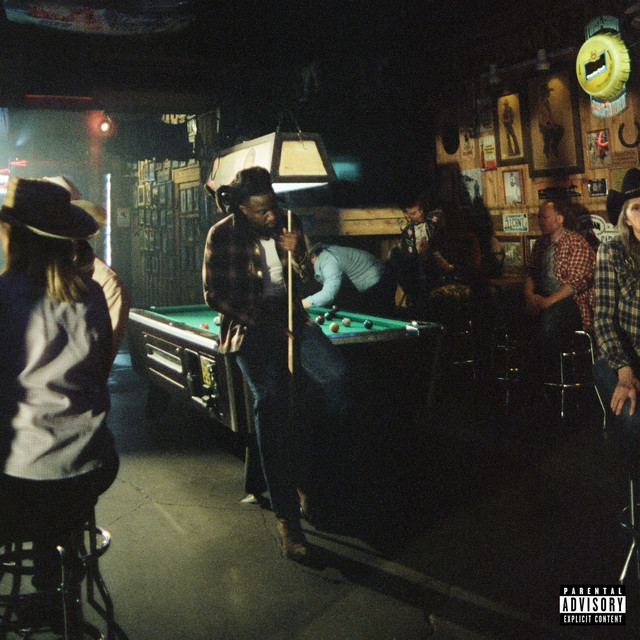
 Cover art for Shaboozey's "A Bar Song (Tipsy)." Source: Spotify.
I was out chopping firewood last week when Spotify autoplay served me an Irish trad cover of Shaboozey's "A Bar Song." Bodhrán, fiddle, pub-gang chorus. Perfect. I hit save. Nice work Spotify, you sniped my tastes.
A few days later I went looking at the artist page, and was pretty surprised to see a whole bunch of AI generated images and songs.
Delta Ash, the band that isn't
Delta Ash isn't a band and isn't pretending to be one. AI-generated cover art on every release. The about section is two contact emails. The discography is a scattered set of 2026 genre exercises: three "Irish Folk" tracks, a "Blues Grass" Blink-182 cover, a Spanish-language blues. Their YouTube presence is an auto-generated "Topic" channel. An AI cover project, visibly labelled as one for anyone who bothers to check.
The Shaboozey cover has over 1.2 million Spotify plays and over 700k YouTube views in three weeks, with TikTok reaction videos doing the transmission. The original Shaboozey track spent 19 weeks at number one on the Hot 100, so it's got some pulling power.
My first instinct was 'damn, AI can make good covers now?'. Then I started getting curious about who was getting paid.
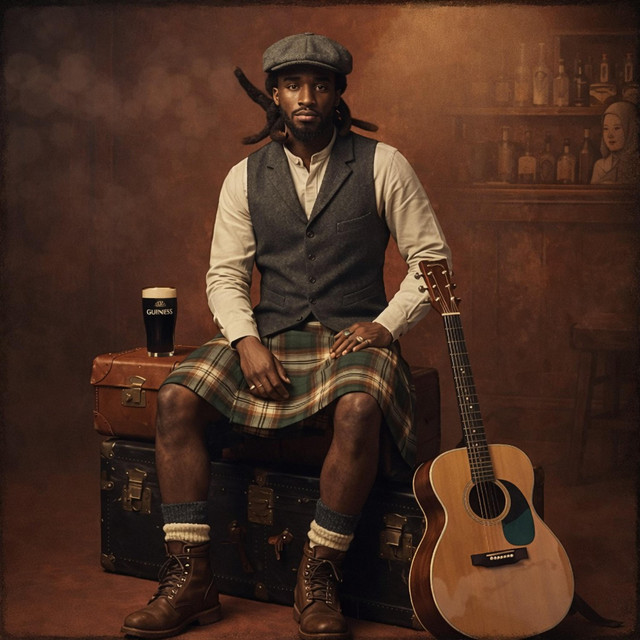 Cover art for Delta Ash's "The Bar Song - Irish Folk" on Spotify. Image generated by AI.
Where the money actually goes
Covers are fine. Johnny Cash covered Nine Inch Nails and made "Hurt" canonical. A real Irish trad duo called Pluckingood posted their own live cover of the Shaboozey track this week. Good on them.
The songwriter side is in theory handled. If Delta Ash flagged the track as a cover through DistroKid, mechanical royalties via The MLC and performance royalties via the PROs should route back to Shaboozey and his co-writers, including J-Kwon.
But what catches Delta Ash if they didn't? Content ID fingerprinting matches audio against known masters; a convincing AI cover doesn't match Shaboozey's master because the audio is different. YouTube's melody-match Content ID can catch covers when the publisher has registered a composition reference, but coverage is patchy. No major platform has publicly deployed lyrics-based detection, even though the research exists and a 2026 system called LIVI does exactly this at scale. Platforms are relying on self-disclosure metadata instead: Spotify adopted DDEX AI disclosure standards in September 2025, Apple launched "Transparency Tags" in March 2026, both optional and reliant on distributors filling in the form. Deezer is the exception, catching AI-generated uploads at the platform level, though that's for generation, not covers. If Delta Ash hadn't ticked the box, the enforcement mechanism is a human at the publisher eventually noticing 1.1 million streams. Nobody measures how long "eventually" takes.
The master-side royalty is the real problem. That money attaches to the sound recording itself and flows to whoever owns the Delta Ash account, currently an anonymous outlook.com address. Somewhere between Spotify and DistroKid, an operator is collecting the recording royalty on 1.1 million streams of a song they did not write, perform, or meaningfully arrange. They hit prompt and upload.
SlopTracker, built by musician Nicolas Gerig to watch AI artists drain the royalty pool, has Breaking Rust, Enlly, and Cain Walker at the top of the leaderboard. Delta Ash will be on there soon. Yeah, A working musician building a dashboard in their spare time so listeners can find the thing AI is drowning out. Dystopic.
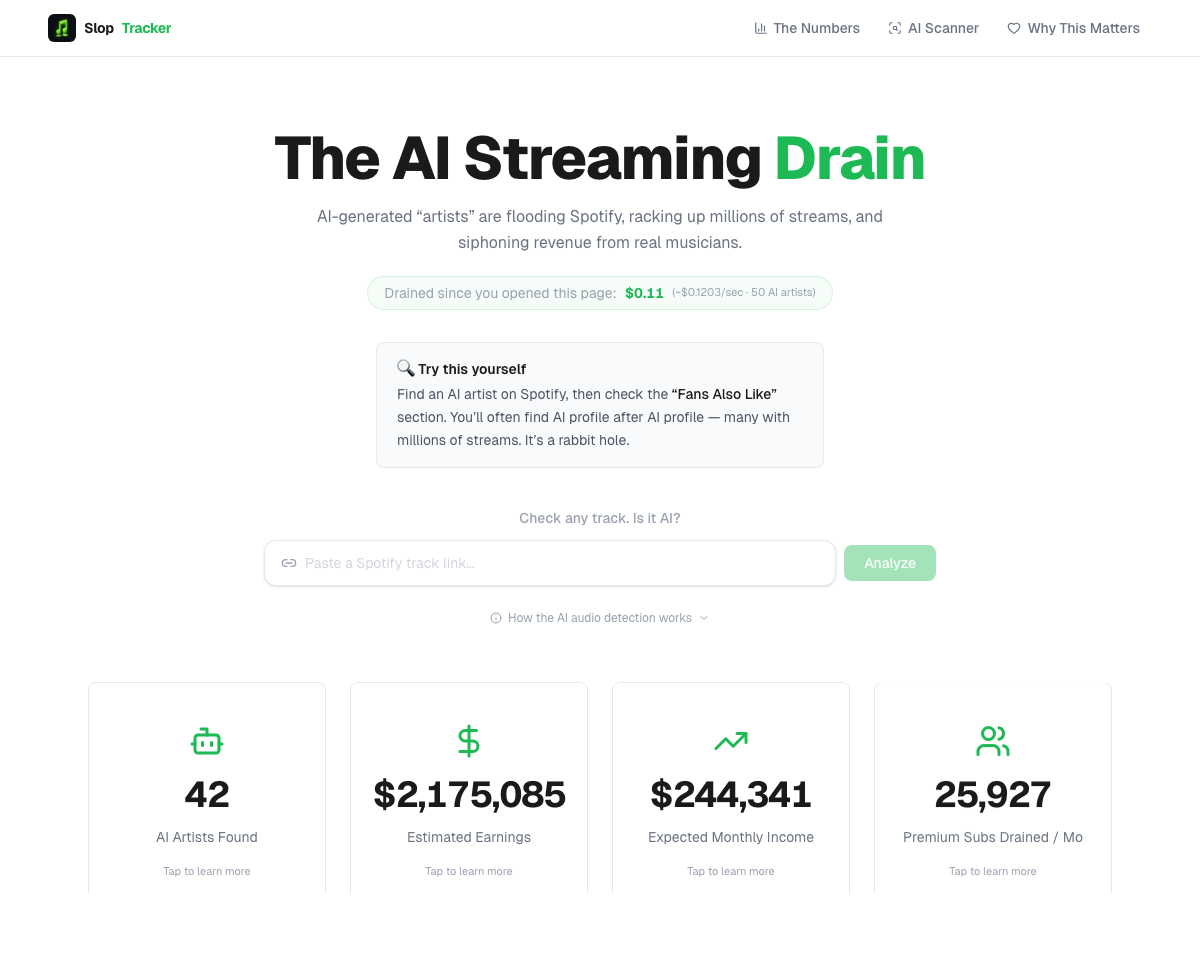 SlopTracker's dashboard. A real-time ticker of how much revenue AI acts are pulling out of the Spotify pool.
The industry has adapted before
"A Bar Song" isn't a full original either. It includes an interpolation of J-Kwon's 2004 hit "Tipsy". J-Kwon has a writing credit, his publisher Seeker Music handles the flow, and he told Rolling Stone this was the first interpolation of "Tipsy" he'd approved in 20 years out of roughly a thousand requests. He's now collecting on a song that spent 19 weeks at number one. A 20-year-old catalogue track generating fresh income because the licensing framework exists. The practice didn't get banned. It got paid.
Hip-hop got there the hard way, through years of lawsuits and unlicensed sample-based hits in the eighties before sample clearance became a known workflow.
AI covers are the current version of the same problem with one important asymmetry: sampling required human effort per track, AI doesn't. A single operator can push out a hundred genre exercises in a week. The answer can't be "clear each one by hand." It has to be automated disclosure at the distributor level plus blanket-pool licensing, the way SoundExchange handles non-interactive performance royalties. The direction of the hip-hop precedent holds; the literal mechanism doesn't scale. Something shaped like existing interpolation plumbing should pay Shaboozey when Delta Ash streams 1.1 million times. That pipe already half-exists. The question is whether anyone is making sure it's connected.
Pay the players, not the prompter
The current frameworks catch J-Kwon and Shaboozey. They miss every human whose work taught the model how to sound like Irish trad. Fiddlers, bodhrán players, uilleann pipers, session musicians whose recordings got scraped off YouTube. The sound Delta Ash is monetising exists because those people spent their lives playing it. Right now none of them see a cent when the machine earns.
The mechanics are hard. You can't trace a specific output back to a specific training example the way sample clearance traces a loop back to a James Brown record; generative models don't store training data discretely. That rules out per-artist attribution and points toward collective pools: genre-level licensing bodies that take a slice of AI-generated revenue and distribute it across contributing rightsholders. Imperfect, but it's how SoundExchange and The MLC already work. The building blocks exist. The Suno and Udio lawsuits filed by the majors in 2024 are the current battle over who gets to sit at the table when those pools get defined.
Inside that split, the operator who picked a genre and pressed generate should collect a small share, not the lion's share. They assembled a trigger. The creative labour came from thousands of other people, and the split should reflect that.
Get this right and the Delta Ash track on my playlist is fine. Shaboozey keeps his co-writer share. J-Kwon keeps his interpolation royalty. A slice flows into a folk pool and reaches the rightsholders who shaped the sound. The outlook.com address running Delta Ash covers compute and a modest margin, not the whole performance pie.
 Photo by Chen Mizrach on Unsplash.
Murphy Campbell is a different story
There's a second AI music story from earlier in the year, and it runs on a completely different track from everything above.
Murphy Campbell is a real folk singer in western North Carolina. Appalachian and Piedmont ballads on banjo and dulcimer. About 7,800 monthly Spotify listeners, a self-titled debut on Bandcamp, and a Kickstarter for Revenant still open for late contributions.
In January 2026, fans told her two AI-generated tracks had appeared on her own official Spotify artist page: synthetic versions of "The Four Marys" and "Cuba," songs she had previously recorded and posted to YouTube. Someone scraped her videos, trained a voice model, and uploaded the output through an entity called Timeless Sounds IR, attaching it directly to her identity. Campbell told Rolling Stone the dulcimer sounded like "a warbled, metallic mess" and her voice had been Auto-Tuned into "a bro-country singer."
Then a second account, "Murphy Rider," routed YouTube Content ID claims through the distributor Vydia against Campbell's own original performance videos, the same ones the AI was trained on. YouTube's automated review demonetised her immediately while the fraudster collected the revenue. Campbell's line: "I'm in this weird limbo where I'm telling robots to take down music robots made."
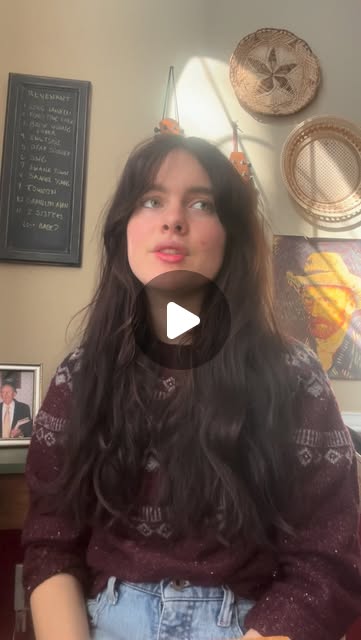 Murphy Campbell's Instagram statement on the AI impersonation.
This is not a cover. This is identity theft plus automated copyright fraud, made possible because Spotify lets third parties drop tracks onto a real artist's page and YouTube treats Content ID claims as guilty-until-proven-otherwise. The fix is platform-level authentication before uploads can attach to an artist's identity, and humans who respond to support requests at tech companies. The legal scaffolding is catching up: Tennessee's ELVIS Act (2024) and the USA federal NO FAKES Act both target exactly this. Legislation helps. Platform defaults help faster. Neither is in place yet.
No royalty framework fixes this. It's a trust problem, not a payment problem, and it needs a different set of tools than anything in the Delta Ash case.
The plumbing, not the AI
Two different problems, two different fixes.
Delta Ash is economics: automated cover disclosure, composition-side detection, blanket-pool licensing for training-data contributors. Murphy Campbell is authentication: verified handshakes before anything attaches to an artist profile, Content ID that doesn't treat accusations as verdicts.
The uncomfortable part is that most of this isn't novel engineering. Lyrics-based cover detection works in papers. DDEX is shipping. SoundExchange and the MLC are templates for training-data pools. Auth-before-upload is well-understood, even if federating it across thousands of distributors is the real slog. The tools are mostly on the shelf.
What's missing is will. Spotify, YouTube, and the major distributors have the data, the money, and the switches. They face some pressure from the EU AI Act and pending US legislation, but not enough to overcome the fact that a diluted royalty pool doesn't cost them and a folk singer telling robots to take down music robots made doesn't cost them either. The cost lands on artists and listeners. The platforms keep clipping their percentage either way.
AI isn't creating new problems so much as exploiting the fatal flaws in the existing digital plumbing. The infrastructure relied on the honour system for metadata and guilty-until-proven-innocent automated strikes. It worked while friction was human-scale. AI removed the friction, the flaws are now fully exposed, and the people running the pipes know exactly where the leaks are.